


8/4/2026

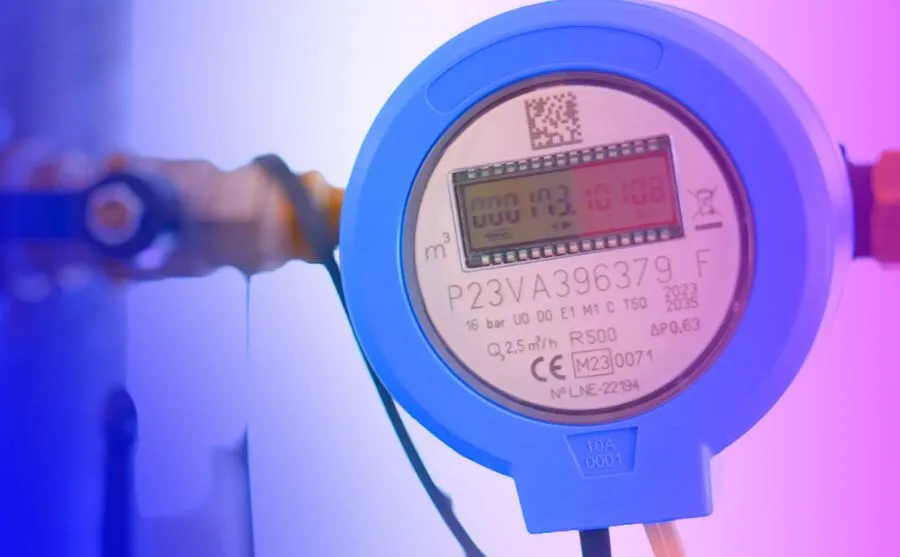
Energy poverty is one of the most complex social challenges of the energy transition. It affects millions of households that struggle to afford essential services or maintain adequate housing conditions, often living in inefficient buildings with little opportunity to influence their consumption. In this context, the digitalisation of networks and services raises a crucial question: does smart metering risk exacerbating inequalities or can it become a concrete tool for inclusion?
The answer is not clear-cut and depends on how the technology is designed, regulated and used. When incorporated into well-structured protection policies, smart meters can be a powerful lever for raising awareness, preventing hardship and improving access to essential services.
Energy poverty is not just an economic issue. It is the result of a combination of factors: low incomes, inefficient buildings, volatile energy prices, poor information and limited ability to control consumption. In many cases, households in difficulty are unaware of how much and how they consume, nor do they have the tools to take timely action. Utilities often find themselves managing these situations reactively, intervening only when arrears or requests for assistance arise. Smart metering offers the opportunity to change this approach, moving from emergency management to data-driven prevention.
One of the main social benefits of smart metering is the ability to make consumption visible. Frequent access to data, through simple portals or applications, allows users to better understand their habits and identify waste or particularly costly behaviour. For vulnerable households, this awareness is crucial. Knowing which devices have the greatest impact on bills or at what times of day consumption is highest can help reduce expenditure without compromising comfort. In this sense, smart metering is not just a technological device, but an educational tool, capable of supporting conscious consumption policies and social support.
Another often underestimated aspect concerns the ability of smart metering to anticipate situations of vulnerability. Consumption data allows utilities to identify abnormal patterns: sudden drops, excessive consumption compared to the housing profile, or trends that are incompatible with the season. When used in compliance with privacy regulations and within a clear regulatory framework, this information can support targeted interventions. Utilities can activate preventive contact programmes, propose instalment solutions, and direct customers towards social bonuses or assistance services before hardship turns into arrears or disconnection of supply. It is a paradigm shift: from debt management to proactive protection.
In many European countries, smart metering is increasingly integrated into policies to protect vulnerable customers. Smart meters allow for more flexible supply management, reducing the need for drastic measures such as disconnection and favouring progressive and personalised solutions. In addition, measurement data can support better allocation of public resources. Energy bonuses, subsidies and support measures can be calibrated on the basis of actual consumption, avoiding waste and ensuring that aid reaches those who really need it. In this sense, smart metering becomes an ally of social policies, not a simple control instrument
Alongside the opportunities, there are also real risks. Digitalisation can amplify inequalities if it does not take into account the skills and conditions of the most vulnerable groups. Not all customers have access to smartphones, stable connections or sufficient digital skills to use advanced platforms. For this reason, smart metering must be accompanied by simple interfaces, alternative communication channels and energy literacy programmes. Without this support, there is a risk that the technology will remain invisible to those who need it most.
A particularly sensitive issue is that of prepaid supply models, often associated with smart metering. On the one hand, prepaid can help households keep track of their spending and avoid accumulating debt. On the other hand, if not properly regulated, it can expose vulnerable customers to the risk of self-disconnection. Protective policies make the difference. Alert systems, guaranteed minimum thresholds, emergency interventions and integration with social services can transform prepaid from a tool of exclusion to a temporary and controlled solution. Once again, it is not the technology that determines the social impact, but the context in which it is applied.
Smart metering is pushing utilities to rethink their role. From simple providers of regulated services, they are becoming social actors, called upon to use data responsibly to protect the most vulnerable customers. This requires new skills, collaboration with local authorities and social services, and data governance focused on ethics and transparency. Utilities that invest in this approach not only improve service quality, but also strengthen trust and social legitimacy, elements that are increasingly central to ESG.
In the context of energy poverty, Terranova's smart metering acts as a concrete enabler of the levers of protection and inclusion described in the article. The platform allows utilities to move from reactive management to preventive reading of situations of vulnerability, thanks to more frequent, reliable and analysable consumption data over time. This makes it possible to identify abnormal patterns, forced reductions in consumption or discontinuities that may indicate economic difficulties, supporting targeted interventions before the hardship turns into arrears or disconnection. At the same time, Terranova's ability to make data accessible and integrable with customer care systems and digital services facilitates the construction of tools for conscious consumption, personalised information and support for vulnerable users. From this perspective, smart metering is not just a control infrastructure, but a database for more effective social protection policies. Furthermore, remote management and the reduction of field activities help to contain operating costs, creating economic space for fairer tariff models and support initiatives. Thus, Terranova's solution aligns with the vision of smart metering as a “social” technology, capable of combining network efficiency, economic sustainability and energy inclusion.
The relationship between energy poverty and smart metering is neither obvious nor unambiguous. Smart meters can be perceived as tools of control or, conversely, as levers for inclusion and protection. The difference lies in the regulatory, technological and organisational choices that accompany their deployment. When integrated into support policies, energy education programmes and prevention-oriented service models, smart metering can become a key ally in the fight against energy poverty. In an era of climate and digital transition, the real challenge is not only to make networks smarter, but to ensure that no one is left behind.
8/4/2026

5/10/2026

7/20/2025

Want to know more?
We’d be happy to talk more in detail about your needs and explore how we can become your ideal partner, to assist you in your business venture of innovation, digitization and sustainability